

When you ask teachers what worries them most about AI in the classroom, you expect the answer to be cheating. It wasn’t.
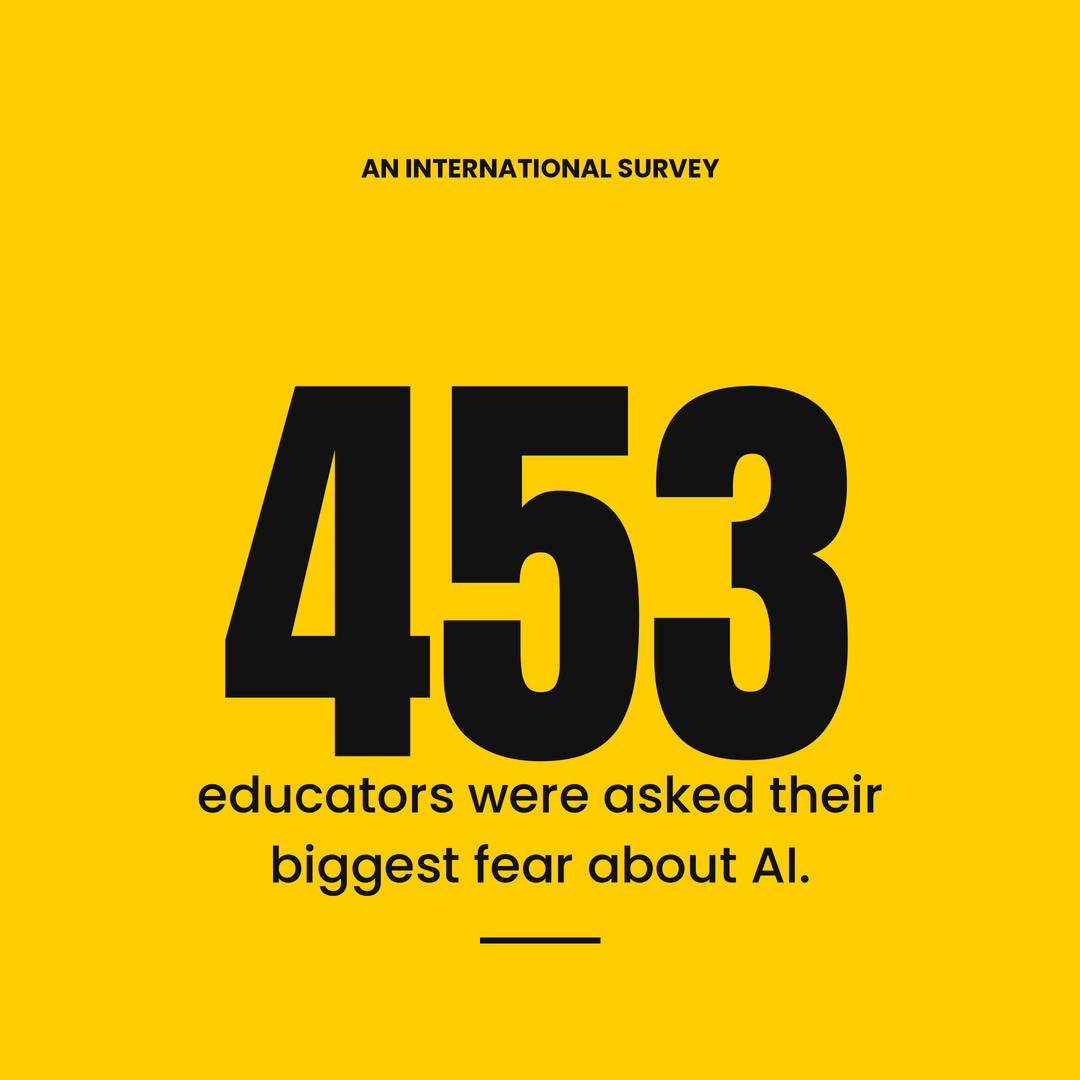
An international survey run through the EHEAII project asked 453 educators, across 61 institutions in more than 20 countries, what concerns them most about artificial intelligence in their work. The response at the top of the list was not plagiarism, and it was not academic dishonesty. It was the loss of critical thinking. Close behind came over-reliance on the tools and students turning in AI-generated work they did not actually understand.
If you teach, or you have a kid in school, none of that will surprise you. You are already watching it happen.
I spent thirty-six years in the fire service before I wrote a word about any of this. One lesson held the entire time. The tool is never the problem. The discipline of the person using it is. A hose, a ladder, a thermal camera, none of them think for you. AI is no different. It will generate all day long. Whether you stay the one who decides is up to you.
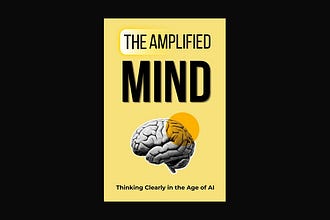
That is the whole reason I wrote The Amplified Mind. AI does not weaken thinking. Outsourcing the thinking does. The machine generates. The thinker decides.
What struck me most about the survey was not the fear itself, but the second finding sitting quietly underneath it. Many of those same educators said their institutions have not given them clear guidance or practical training on using AI well, and that they want exactly that. So the people closest to the problem can see it coming, and they are asking for a method. Not a ban, not a lecture about what students cannot do, but a way to use these tools without handing over their judgment.
That gap is the whole opportunity. The instinct to police misuse is understandable, but it misses the deeper issue. You can catch a fabricated citation. You cannot catch a student who has quietly stopped thinking for themselves, because there is nothing to flag. The work looks finished. It is the process behind it that went missing.
So the answer is not to keep AI out of the room. That ship has sailed, and pretending otherwise just leaves people undefended. The answer is to give students, and the rest of us, a durable habit of mind: ask who made this, ask what it left out, and decide for yourself before you accept it. That habit is learnable. It is also the one thing a fluent, confident machine is happy to let you skip.
This is the first in a series I am calling Notes from The Amplified Mind, where I work through the ideas in the book one at a time in the months before it comes out. If the survey finding stayed with you the way it stayed with me, you are already asking the right question.
The Amplified Mind, thinking clearly in the age of AI, arrives August 2026
.